
Seasonal Water Damage Risks: Winter, Spring & Summer Guide
· Ethan Williams
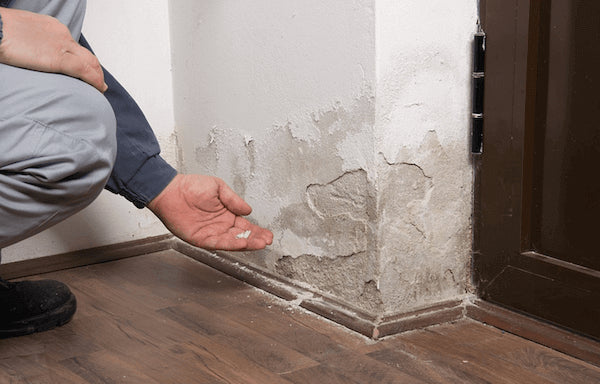
Understanding seasonal water damage risks is essential for homeowners looking to protect their property year-round. Each season brings unique challenges, from freezing temperatures in winter to heavy rains in spring and summer storms. By learning how these risks change throughout the year, you can take proactive steps to prevent costly repairs and maintain your home's value.
Water intrusion can affect everything from your foundation to your roof and even impact your home's resale potential. If you're interested in how water issues can influence your property's marketability, see our detailed guide on water damage and home resale value for more insights.
How Weather Patterns Affect Water Intrusion
Weather is a major driver of seasonal water damage risks. Shifting temperatures, precipitation, and humidity all play a role in how and where water can enter your home. Recognizing the patterns associated with each season helps you prepare for and mitigate potential threats before they become expensive problems.
Winter: Frozen Pipes and Ice Dams
During winter, freezing temperatures can cause pipes to burst and ice dams to form on roofs. When water freezes inside pipes, it expands, increasing pressure and potentially causing cracks or ruptures. This can lead to sudden flooding inside your home once the ice thaws.
Ice dams, which develop when snow melts and refreezes at the roof edge, prevent proper drainage. Water can back up under shingles, leading to leaks, stained ceilings, and even structural rot. Ensuring proper insulation and ventilation in your attic can reduce the risk of ice dams, while insulating exposed pipes and letting faucets drip during cold snaps can help prevent freezing.
Spring: Rainfall, Flooding, and Groundwater Issues
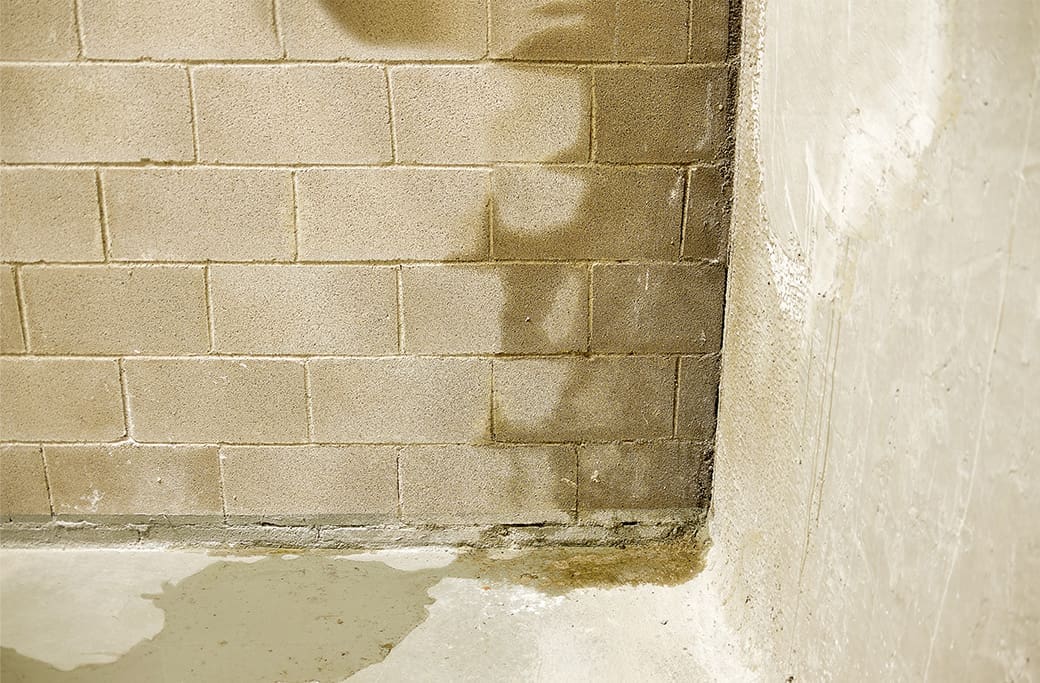
Spring is notorious for heavy rainfall and rapid snowmelt, both of which can overwhelm drainage systems and cause basement flooding. Saturated soil increases hydrostatic pressure against your foundation, making it easier for water to seep through cracks or unsealed joints. Clogged gutters and downspouts further exacerbate the problem by directing water toward your home's base instead of away from it.
To reduce springtime water intrusion, regularly clean gutters, extend downspouts, and inspect your foundation for cracks. Installing a sump pump or a French drain system can offer additional protection in areas prone to flooding.
Summer: Storms, Humidity, and Roof Leaks
Summer brings its own set of seasonal water damage risks. Severe thunderstorms, hurricanes, and high humidity can all contribute to water issues. Intense rainfall in a short period can overwhelm even well-maintained drainage systems, while high winds may damage roofing materials, allowing water to penetrate your attic or living spaces.
Humidity is another concern, as it can lead to condensation in poorly ventilated areas like attics and crawl spaces. Over time, this moisture can foster mold growth and wood rot. Regular roof inspections, sealing around windows and doors, and using dehumidifiers in problem areas can help mitigate these risks.

Common Signs of Water Damage Throughout the Year
Spotting water issues early is key to preventing major repairs. Look for these warning signs in every season:
- Stained or sagging ceilings and walls
- Musty odors, especially in basements or crawl spaces
- Peeling paint or bubbling wallpaper
- Warped floors or baseboards
- Mold growth on surfaces
- Rust on pipes or appliances
For a comprehensive approach to identifying hidden problems, check out this expert guide on detecting hidden water damage signs.
Preventative Measures for Each Season
Winter Preparation Tips
- Insulate exposed pipes in unheated spaces
- Seal gaps around windows, doors, and foundations
- Clear gutters and downspouts before the first snow
- Maintain attic ventilation to prevent ice dams
Spring Maintenance Checklist
- Inspect your roof for missing or damaged shingles
- Check basement walls for dampness or cracks
- Test your sump pump and backup power source
- Ensure landscaping slopes away from your foundation
Summer Storm Readiness
- Trim trees and remove debris near your roof
- Inspect flashing and seals around chimneys and skylights
- Use dehumidifiers in humid areas
- Monitor for leaks after heavy storms
For a step-by-step approach to protecting your home, refer to our water damage restoration checklist for actionable tips.
Long-Term Effects of Unaddressed Water Intrusion
Ignoring seasonal water damage risks can have lasting consequences. Persistent moisture can weaken your home's structure, degrade insulation, and create an environment for mold and mildew. Over time, this can lead to expensive repairs and even health issues for your family.
Chronic water exposure may also affect your home's resale value and make it harder to secure insurance coverage. Learn more about the long term effects of water damage and why timely intervention is critical.
When to Call a Professional
While routine maintenance can prevent many problems, some situations require expert help. If you notice extensive staining, persistent leaks, or signs of structural damage, consult a licensed contractor or water damage specialist. They can assess the extent of the problem and recommend appropriate repairs.
Before hiring, review the questions to ask water damage contractors to ensure you choose a qualified professional.
FAQ: Seasonal Water Damage Concerns
What are the most common sources of water damage in each season?
In winter, frozen pipes and ice dams are typical culprits. Spring often brings basement flooding from heavy rain and snowmelt, while summer storms and humidity can lead to roof leaks and mold growth.
How can I tell if my home is at risk for seasonal water problems?
Look for warning signs like musty odors, visible stains, or dampness in basements and attics. Regular inspections and maintenance, especially after severe weather, can help you spot issues early.
Is water damage always visible right away?
No, some issues develop slowly and may not be immediately apparent. Hidden leaks behind walls or under floors can cause significant damage over time. Using moisture meters and scheduling professional inspections can help detect problems before they escalate.
Conclusion
Staying vigilant about seasonal water damage risks is the best way to protect your home and investment. By understanding how threats change throughout the year and taking proactive steps, you can minimize the risk of costly repairs and maintain a safe, comfortable living environment. For more on preventing severe issues, see our article on structural damage from water exposure.