
Water Damage and Home Resale Value: What You Need to Know
· Ethan Williams
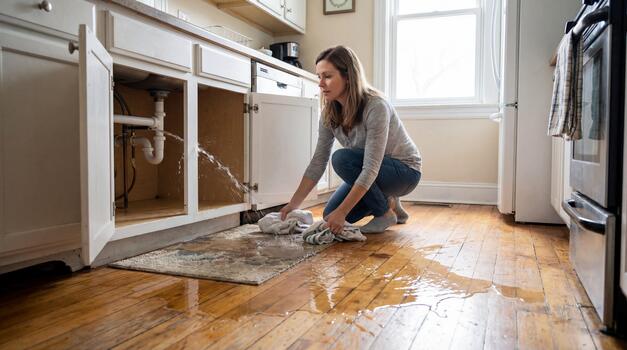
When it comes to selling a property, few issues raise more concern among buyers and real estate professionals than water damage. Even minor leaks or past flooding can have a significant impact on how much your home is worth and how quickly it sells. Understanding the relationship between water damage and home resale value is essential for any homeowner looking to protect their investment and make informed decisions during the selling process.
From visible stains to hidden mold, water-related problems can affect everything from a home's structural integrity to its market appeal. Addressing these issues early and transparently can make a substantial difference in both the final sale price and the ease of the transaction. If you’re preparing to list your property or simply want to safeguard its value, this guide will help you navigate the most important considerations.
Before diving into the details, it’s wise to familiarize yourself with the water damage restoration checklist to ensure you’re covering all the bases when preparing your home for sale.
How Water Issues Affect Property Value
Water intrusion can have a direct and lasting effect on the value of a home. Buyers are often wary of properties with a history of leaks, flooding, or excessive moisture, as these problems can signal deeper structural or health concerns. Even after repairs, the stigma associated with water events can linger, reducing buyer confidence and potentially lowering offers.
- Structural Damage: Water can weaken foundations, rot wood framing, and compromise drywall, leading to costly repairs and safety hazards.
- Mold and Mildew: Persistent moisture creates the perfect environment for mold growth, which can cause health issues and require professional remediation.
- Cosmetic Issues: Stains, warped flooring, and peeling paint are visible signs that can deter buyers and suggest underlying problems.
- Insurance and Disclosures: A history of water claims may increase insurance premiums or limit coverage for future owners.
According to real estate experts, unresolved water issues can reduce a home’s resale value by 10% or more, depending on severity and location.
Common Sources of Water Damage in Homes
Understanding where water problems originate is key to preventing and addressing them effectively. Some of the most frequent sources include:
- Leaking roofs or gutters
- Burst or aging pipes
- Faulty appliances (dishwashers, washing machines, water heaters)
- Poor drainage around the foundation
- Flooding from storms or rising groundwater
Regular maintenance and prompt repairs can help minimize the risk and extent of water-related issues.
Signs of Water Problems Buyers Notice
Prospective buyers and inspectors are trained to spot both obvious and subtle indicators of past or present water issues. Some red flags include:
- Musty odors, especially in basements or crawl spaces
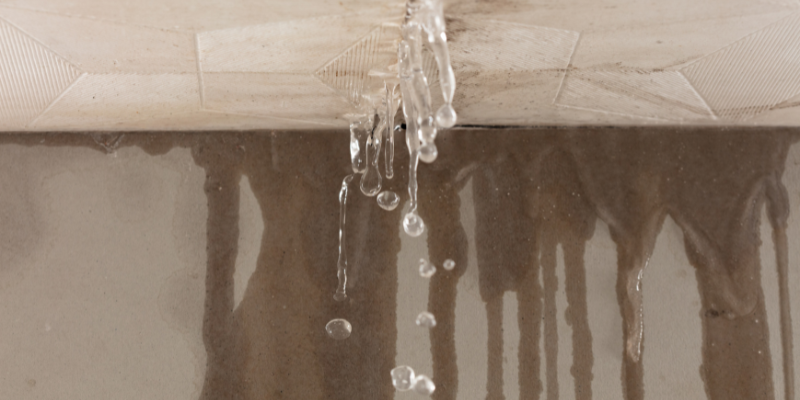
- Discoloration or bubbling on walls and ceilings
- Soft spots in flooring or walls
- Visible mold or mildew
- Efflorescence (white, chalky residue) on masonry
For a comprehensive overview of what to look for, consult resources like this guide to spotting water damage in buildings.
Restoration and Its Impact on Resale Value
Addressing water issues promptly and professionally can help restore confidence and value in your property. The quality of restoration work is crucial; poorly executed repairs may do little to reassure buyers. Consider these steps:
- Hire certified professionals to assess and repair damage. Learn more about the importance of certified water damage restoration professionals for peace of mind.
- Document all repairs and provide receipts to prospective buyers.
- Disclose any past water events and remediation efforts honestly, as required by law in most jurisdictions.
- Consider a pre-listing inspection to identify and address any lingering issues before putting your home on the market.
Proper restoration can help recover much of the lost value, especially if the repairs are recent, thorough, and well-documented.

How to Maximize Home Value After Water Incidents
If your property has experienced water issues, there are practical steps you can take to protect its market value:
- Act Quickly: The sooner you address leaks or flooding, the less likely long-term damage will occur.
- Invest in Professional Remediation: DIY fixes may not be enough for serious problems. Certified experts can ensure repairs meet industry standards.
- Be Transparent: Full disclosure builds trust with buyers and can prevent legal issues down the line.
- Highlight Improvements: If you’ve upgraded plumbing, roofing, or drainage systems, make sure these improvements are noted in your listing.
- Maintain Documentation: Keep records of all repairs, warranties, and inspections to share with potential buyers.
For more tips on industry best practices, review the water damage restoration industry standards to ensure your remediation efforts align with what buyers expect.
Disclosure and Legal Considerations
Most states require sellers to disclose known material defects, including previous water issues. Failing to do so can lead to legal action, lost sales, or forced price reductions. Honest communication about the history of water problems, along with documentation of repairs, is the best way to protect yourself and maintain buyer trust.
Consult with your real estate agent or attorney to ensure you’re meeting all local requirements regarding disclosure and documentation.
Frequently Asked Questions
How much can water issues reduce my home's value?
The impact varies based on severity, location, and the quality of repairs. Minor, well-repaired incidents may have little effect, while major unresolved damage can reduce value by 10% or more. Buyers often factor in the cost of future repairs and perceived risk when making offers.
Should I repair water damage before selling?
Yes, addressing all known issues before listing your property is highly recommended. Proper repairs not only restore value but also make your home more attractive to buyers. Providing documentation of professional remediation can further boost buyer confidence.
Do I have to disclose past water problems to buyers?
In most jurisdictions, sellers are legally required to disclose any known material defects, including previous water-related issues. Failing to do so can result in legal consequences and undermine trust in the transaction.
Conclusion
Understanding the connection between water damage and home resale value is crucial for homeowners looking to sell. By identifying issues early, investing in professional repairs, and maintaining transparency with buyers, you can minimize the impact on your property’s worth and facilitate a smoother sale. For more insights and to avoid common misconceptions, explore the latest water damage myths and facts to stay informed and prepared.