
Comprehensive Water Damage Recovery Planning for Families
· Ethan Williams
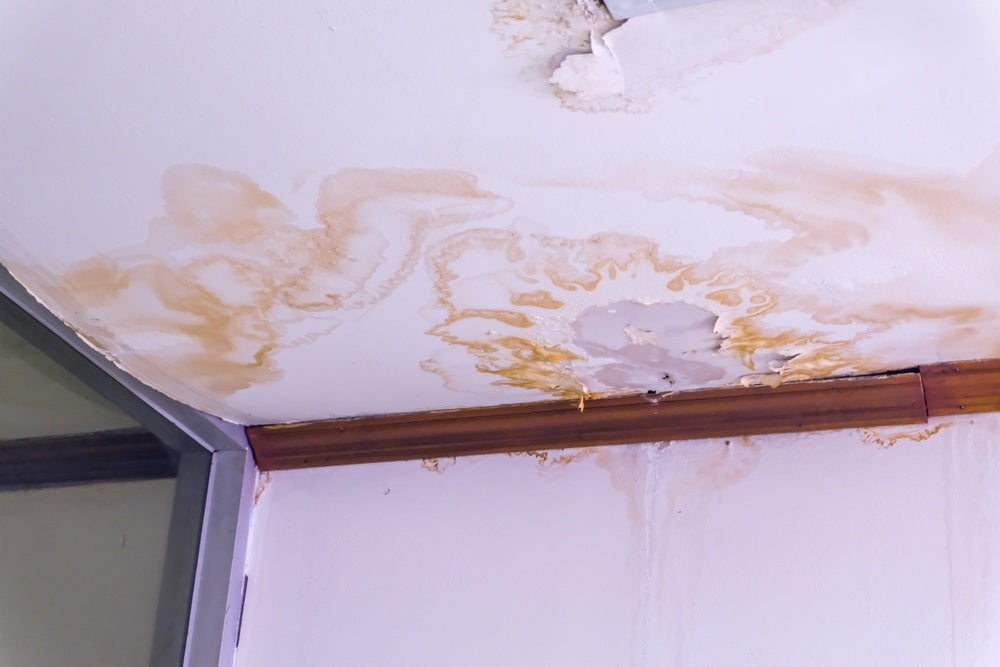
When a home is affected by water intrusion, the consequences can be overwhelming. Families often face not only the immediate disruption but also long-term risks to property value, health, and safety. Water damage recovery planning is essential for minimizing losses, protecting loved ones, and restoring normalcy as quickly as possible. This guide outlines the steps every household should take to prepare for, respond to, and recover from water-related emergencies.
Understanding the impact of water damage on your property is crucial. Even minor leaks can lead to significant structural issues, mold growth, and costly repairs if not addressed promptly. For those concerned about future resale, it's important to recognize how water events can affect water damage and home resale value and plan accordingly.
Recognizing the Causes and Early Signs of Water Damage
Effective water damage recovery planning begins with awareness. Homeowners should familiarize themselves with the most common sources of water intrusion, which include:
- Burst or leaking pipes
- Roof leaks due to damaged shingles or flashing
- Faulty appliances such as washing machines and dishwashers
- Flooding from heavy rainfall or rising groundwater
- Clogged gutters and downspouts
Spotting the early signs of water issues can prevent extensive damage. Look for:
- Discoloration or stains on ceilings and walls
- Peeling paint or wallpaper
- Musty odors indicating mold growth
- Warped or buckling floors
- Visible mold patches
For a detailed breakdown of frequent causes, see this comprehensive overview of water damage sources.
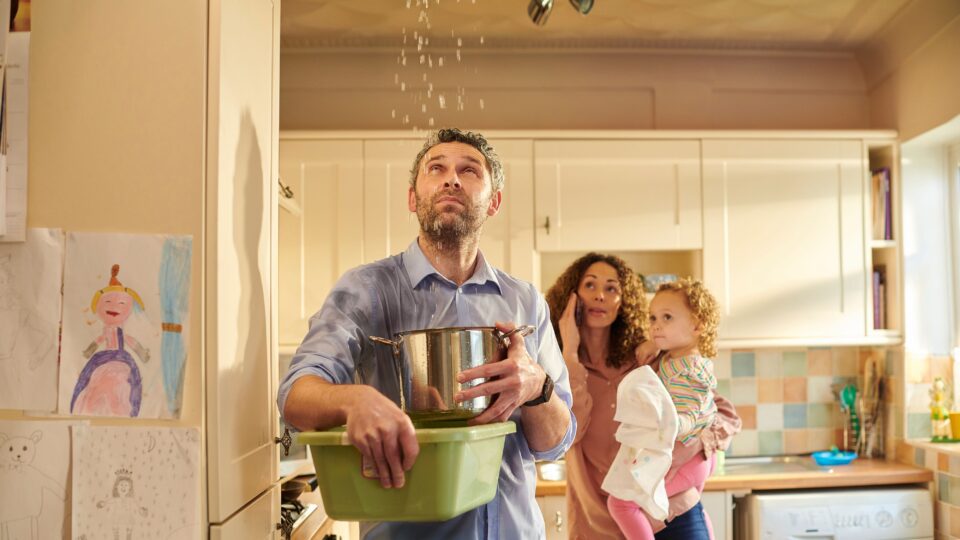
Immediate Steps to Take After Water Intrusion
When water damage occurs, acting quickly can make a significant difference in the outcome. Here are the first actions every family should include in their water damage recovery plan:
- Ensure Safety First: Turn off electricity in affected areas if safe to do so. Avoid standing water where electrical hazards may exist.
- Stop the Source: Shut off the main water supply if a pipe has burst or an appliance is leaking.
- Document the Damage: Take photos or videos of all affected areas and belongings for insurance purposes.
- Remove Excess Water: Use mops, towels, or a wet/dry vacuum to remove standing water. The faster you act, the less likely mold will develop.
- Ventilate and Dry: Open windows and doors, and use fans or dehumidifiers to speed up the drying process.
- Contact Professionals: For significant flooding or contamination, call a certified restoration company. Refer to this list of questions to ask water damage contractors before hiring anyone.
Developing a Family Water Damage Recovery Plan
Preparation is key to minimizing disruption and loss. Every household should have a written plan that covers:
- Emergency Contacts: List numbers for local emergency services, insurance agents, and trusted restoration providers.
- Evacuation Routes: Identify safe exits and meeting points in case of severe flooding.
- Important Documents: Store copies of insurance policies, identification, and property records in a waterproof container or digitally in the cloud.
- Inventory of Belongings: Keep an up-to-date list of valuable items, including photos and receipts, to streamline insurance claims.
- Maintenance Schedule: Regularly inspect plumbing, roofing, and appliances for signs of wear or leaks.
Families should review and update their plan annually or after any major home improvement project.
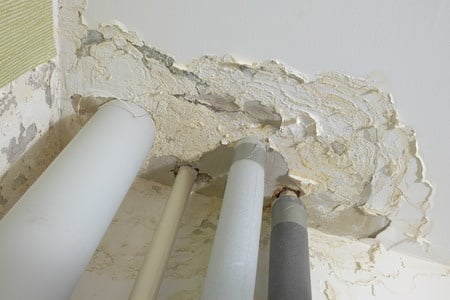
Restoration and Long-Term Prevention Strategies
After the initial cleanup, focus shifts to restoring your home and preventing future incidents. Consider these steps as part of your ongoing water damage recovery planning:
- Professional Assessment: Have a qualified expert evaluate structural integrity and moisture levels. Use a water damage restoration checklist to ensure nothing is overlooked.
- Mold Remediation: Address any mold promptly to protect your family's health.
- Repairs and Upgrades: Replace damaged drywall, flooring, and insulation. Upgrade to water-resistant materials where possible.
- Insurance Review: Update your policy to cover potential risks and understand your coverage limits.
- Preventive Maintenance: Install sump pumps, water alarms, and backflow valves. Regularly clean gutters and inspect your roof.
For more on safeguarding your home’s structure, see this resource on structural damage from water exposure and its prevention.
Understanding the Long-Term Impact of Water Damage
Even after visible repairs, water events can have lingering effects. These may include:
- Hidden mold growth behind walls or under flooring
- Compromised structural elements such as beams and joists
- Decreased property value due to a history of water issues
- Potential health risks from poor indoor air quality
It's important to monitor your home for recurring problems and address them promptly. Learn more about the long term effects of water damage to stay informed and proactive.
Frequently Asked Questions
How can families prepare for water emergencies before they happen?
Preparation involves regular home inspections, maintaining plumbing and roofing, and creating a written emergency plan. Store important documents in waterproof containers and keep emergency contact numbers accessible. Installing water sensors and sump pumps can also provide early warnings and minimize damage.
What should be included in a water damage recovery checklist?
A thorough checklist should cover immediate safety steps, shutting off water sources, documenting damage, contacting insurance, removing water, drying affected areas, and arranging for professional assessments. For a detailed guide, refer to a water damage restoration checklist.
How does water damage affect a home's value and resale potential?
Unaddressed water damage can reduce property value, deter buyers, and complicate sales. Even after repairs, a history of water issues may need to be disclosed. Proper documentation of restoration and preventive measures can help maintain value and reassure future buyers.