
The Ultimate Water Damage Preparedness Guide for Property
· Ethan Williams
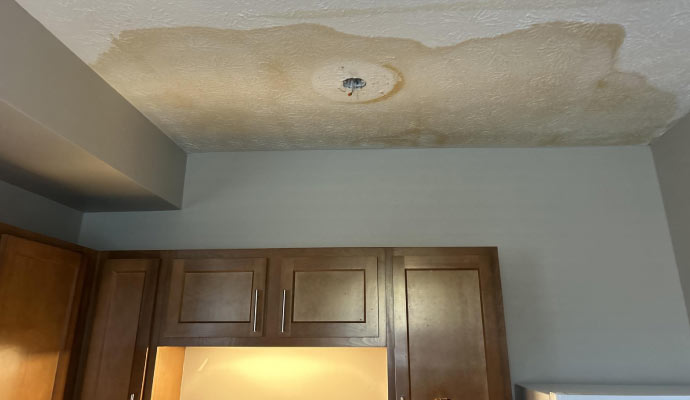
Water intrusion can strike any property, often with little warning. Whether it’s from heavy rain, burst pipes, or appliance malfunctions, the consequences can be costly and disruptive. Having a water damage preparedness guide in place is essential for minimizing risks, protecting your investment, and ensuring a faster recovery. This article offers a comprehensive approach to readiness, equipping property owners with practical steps to prevent, detect, and respond to water-related emergencies.
For families looking for a structured approach to recovery after an incident, consider reviewing this water damage recovery planning resource for additional strategies and checklists.
Understanding the Risks: Common Causes and Vulnerabilities
Before you can prepare effectively, it’s important to recognize the most frequent sources of water damage. These include:
- Plumbing failures, such as burst pipes or leaking joints
- Roof leaks caused by damaged shingles or flashing
- Faulty or overflowing appliances (washing machines, dishwashers, water heaters)
- Blocked gutters and downspouts
- Foundation cracks allowing seepage
- Severe weather events, including flooding and heavy rainfall
Each property has unique vulnerabilities. Regular inspections and maintenance are crucial for identifying potential problem areas before they escalate. For a deeper dive into the most frequent triggers, see this detailed overview of water damage causes.
Essential Steps for Water Damage Preparedness
Developing a robust plan involves both preventive measures and readiness for quick action. Here’s how to build your own water damage preparedness guide tailored to your property’s needs:
1. Routine Inspections and Maintenance
- Check plumbing systems for leaks, corrosion, or loose fittings at least twice a year.
- Inspect roofs for missing or damaged shingles and ensure flashing is secure.
- Clean gutters and downspouts regularly to prevent overflow and pooling near the foundation.
- Test sump pumps and backup systems before wet seasons.
- Seal foundation cracks and monitor for signs of moisture intrusion.
2. Install Early Detection Devices
Modern technology can alert you to problems before they become disasters. Consider:
- Water leak detectors in basements, near appliances, and under sinks
- Smart water shut-off valves that automatically stop flow when leaks are detected
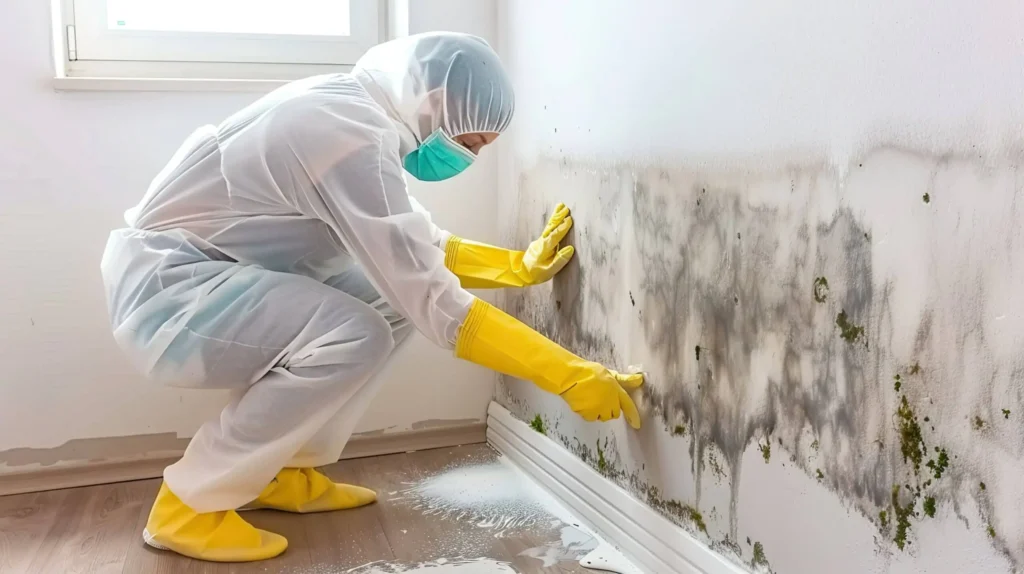
- Humidity sensors to identify areas at risk for mold growth
3. Emergency Response Planning
Preparation is not just about prevention—it’s also about knowing what to do when water damage occurs. Your emergency plan should include:
- Location of main water shut-off valves and instructions for use
- Contact information for local plumbers, restoration professionals, and insurance providers
- A prioritized checklist for immediate actions (shutting off power, moving valuables, documenting damage)
- Evacuation routes and safe meeting points if flooding is severe
Minimizing Damage: Immediate Actions When Water Strikes
Even with the best planning, water emergencies can still happen. The first few hours are critical for limiting destruction and speeding up recovery. Follow these steps:
- Shut off the water supply at the main valve to stop ongoing leaks.
- Turn off electricity in affected areas to prevent electrical hazards.
- Move furniture, electronics, and important documents to a dry location.
- Document the damage with photos and notes for insurance claims.
- Contact restoration professionals as soon as possible for assessment and drying.
For a thorough post-incident checklist, refer to this water damage restoration checklist which covers every step from initial response to final repairs.
Long-Term Strategies for Resilient Properties
Beyond immediate response, long-term resilience requires ongoing attention. Here are some strategies to strengthen your property’s defenses:
- Upgrade to water-resistant building materials in basements and lower floors.
- Install backflow prevention valves to protect against sewer backups.
- Landscape with proper grading to direct water away from the foundation.
- Consider flood insurance, especially in high-risk areas.
- Educate all household members or tenants on emergency procedures.
Recognizing Seasonal and Structural Risks
Water threats can vary by season and property type. For example, winter brings frozen pipe risks, while spring and summer storms can overwhelm drainage systems. Stay proactive by reviewing seasonal recommendations, such as those found in this seasonal water damage risks guide, and adapt your preparedness plan accordingly.
It’s also wise to understand the long term effects of water damage on your property’s structure, as untreated issues can lead to mold, rot, and even compromised foundations.
Choosing the Right Restoration Partners
When selecting professionals to help with cleanup and repairs, it’s important to ask the right questions. Vet contractors thoroughly to ensure they have experience, proper licensing, and a solid reputation. For guidance, review these questions to ask water damage contractors before making a decision.
Frequently Asked Questions
What should I include in my water damage emergency kit?
Your kit should have a flashlight, batteries, gloves, plastic sheeting, towels, a wrench for shutting off water, copies of important documents, and contact information for emergency services and restoration professionals.
How often should I inspect my property for water damage risks?
It’s best to conduct a thorough inspection at least twice a year—ideally before and after the wettest seasons. High-risk areas like basements, attics, and around appliances should be checked more frequently.
Does insurance always cover water damage?
Not all water-related incidents are covered by standard homeowner’s insurance. Coverage often depends on the source of the water and whether preventive maintenance was performed. Review your policy carefully and consider additional flood insurance if you live in a high-risk area.
Conclusion
Being proactive with a water damage preparedness guide can make all the difference in protecting your property and minimizing disruption. By understanding risks, performing regular maintenance, installing detection devices, and preparing for emergencies, you’ll be ready to act quickly and effectively. Stay informed, keep your plan updated, and revisit resources regularly to ensure your property remains resilient against water threats.