
Essential Water Damage Safety Precautions for Homeowners
· Ethan Williams
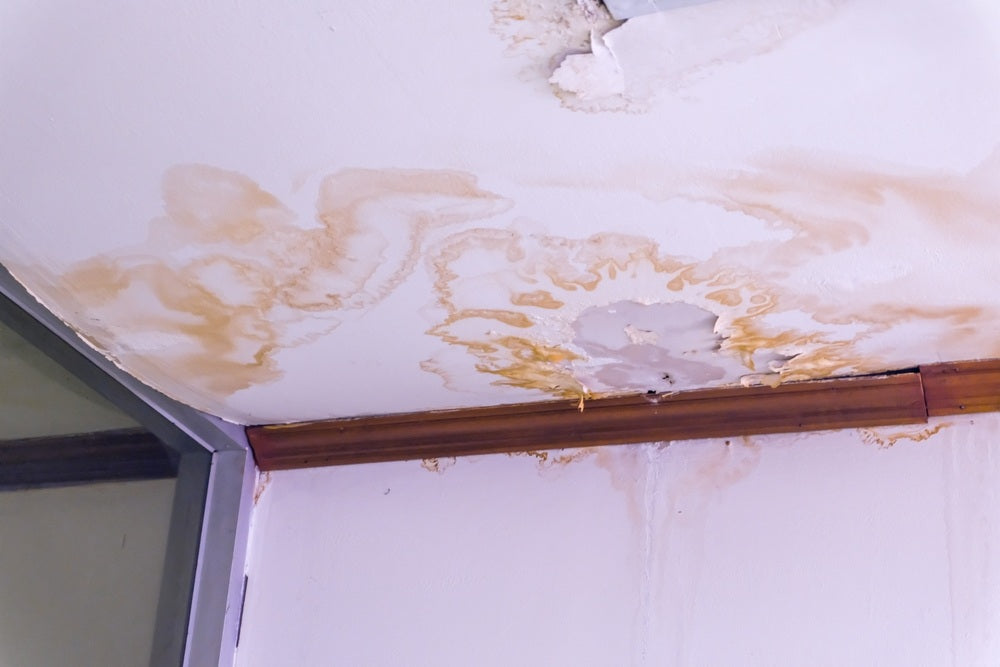
Water intrusion can happen suddenly or develop over time, but its impact on your home and health can be significant. Taking the right water damage safety precautions is crucial to minimize risks, protect your property, and ensure your family's well-being. From electrical hazards to mold growth, water-related incidents present a range of dangers that require prompt and informed action.
Whether you're dealing with a burst pipe, a leaking roof, or flooding from severe weather, understanding the safest steps to take can make a major difference. This guide covers essential measures to follow before, during, and after water damage, helping you stay safe and prevent further complications.
It's also important to recognize the early warning signs of moisture issues. For a deeper understanding of what to watch for, see water damage warning signs homeowners miss for practical tips on spotting trouble before it escalates.
Why Prioritizing Water Damage Safety Matters
Ignoring or mishandling water incidents can lead to much more than property loss. Standing water and damp conditions create an environment for electrical hazards, structural weakening, and microbial growth. In some cases, exposure to contaminated water can cause health issues ranging from skin irritation to respiratory problems.
Taking water damage safety precautions helps you:
- Prevent accidents such as slips, falls, or electric shock
- Limit the spread of mold and bacteria
- Reduce the risk of long-term structural damage
- Protect valuable belongings and important documents
- Ensure a safer environment for children, pets, and elderly family members
Immediate Steps to Take After Water Intrusion
When you first discover water in your home, your initial actions are critical. Follow these steps to maximize safety and minimize damage:
- Assess the situation from a safe distance. If water is near electrical outlets, appliances, or your circuit breaker, do not enter the area. If safe, turn off the main power supply.
- Stop the water source. If the leak is from a burst pipe or appliance, shut off the main water valve immediately.
- Avoid contact with standing water. Floodwater or sewage backups may contain contaminants. Wear waterproof boots and gloves if you must enter affected areas.
- Ventilate the space. Open windows and doors to help reduce humidity and slow mold growth, but only if it’s safe to do so.
- Document the damage. Take photos and videos for insurance purposes before starting any cleanup.
Electrical and Structural Hazards: What to Watch For
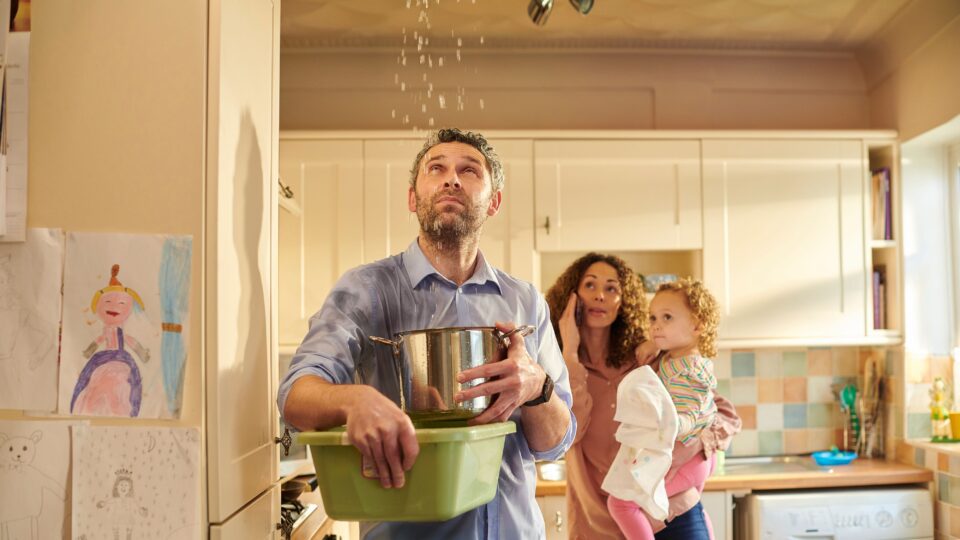
One of the most dangerous aspects of water intrusion is the risk of electrical shock or fire. Water can quickly reach wiring, outlets, or fuse boxes, creating a hazardous environment. If you suspect water has come into contact with electrical systems:
- Do not touch any electrical devices or switches while standing in water.
- If you can safely access your breaker panel, turn off the power to affected areas.
- Contact a licensed electrician before restoring power or attempting repairs.
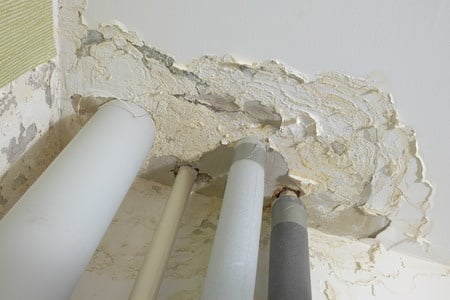
Structural issues can also arise. Ceilings, floors, and walls may become weakened, especially if water has been present for several hours or days. Look for sagging ceilings, warped flooring, or cracks in walls, and avoid walking on surfaces that appear unstable.
Personal Protective Equipment and Hygiene
When dealing with water damage cleanup, always use appropriate personal protective equipment (PPE) to reduce exposure to contaminants and hazards. Recommended gear includes:
- Waterproof boots and gloves
- Long sleeves and pants to protect skin
- Safety goggles or glasses
- N95 respirator or mask, especially if mold is present
After handling items or working in affected areas, wash your hands thoroughly with soap and clean water. Avoid touching your face, especially your mouth, eyes, and nose, until you’ve cleaned up.
Preventing Mold and Secondary Damage
Mold can begin to grow within 24 to 48 hours after water exposure. To limit its spread and protect indoor air quality, act quickly:
- Remove wet materials such as carpets, rugs, and upholstery if possible
- Use fans and dehumidifiers to dry out the area, but only after electrical safety is confirmed
- Dispose of items that cannot be thoroughly cleaned and dried
- Monitor for musty odors or visible mold growth in the days following the incident
If you’re unsure about the extent of contamination or how to handle cleanup, consult a professional. For more information on the connection between water issues and mold, see can water damage cause mold for a detailed discussion of risks and prevention strategies.
Safe Cleanup and Restoration Practices
Once immediate dangers are addressed, focus on safe and effective cleanup. Here are some best practices:
- Sort items into salvageable and unsalvageable categories. Porous materials like drywall and insulation often need to be replaced.
- Clean hard surfaces with soap and water, then disinfect with a solution of 1 cup bleach to 1 gallon of water (never mix bleach with ammonia).
- Keep children and pets away from affected areas until cleanup is complete.
- Work in well-ventilated spaces to avoid inhaling fumes from cleaning agents.
For a step-by-step overview of the recovery process, the water damage restoration process guide provides detailed instructions and timelines.
Understanding Common Causes and Prevention
Knowing what leads to water problems can help you take proactive steps to avoid future incidents. Frequent causes include:
- Burst or leaking pipes
- Roof leaks and clogged gutters
- Faulty appliances (washing machines, water heaters, dishwashers)
- Foundation cracks
- Severe weather and flooding
Regular maintenance and inspections are key. For a comprehensive overview of typical sources, see this list of common causes of water damage to help you identify and address vulnerabilities in your home.
When to Call Professionals
While minor leaks or spills can sometimes be managed by homeowners, certain situations require expert help:
- Extensive flooding or standing water
- Suspected contamination from sewage or chemicals
- Electrical hazards or structural instability
- Persistent or widespread mold growth
Professional restoration teams have the equipment and expertise to handle complex situations safely. If you’re unsure where to start, the water damage cleanup guide offers practical advice on choosing the right service and what to expect during the process.
Frequently Asked Questions
How soon should I address water damage in my home?
Immediate action is best. The longer water sits, the greater the risk of structural damage and mold growth. Aim to begin drying and cleanup within 24 hours of discovering the problem.
Is it safe to stay in my house after water intrusion?
If there are electrical hazards, sewage contamination, or significant structural damage, it’s safest to leave until professionals have assessed the situation. For minor leaks, use caution and follow recommended water damage safety precautions during cleanup.
What are the signs of hidden water damage?
Common indicators include musty odors, peeling paint, warped floors, and unexplained stains on ceilings or walls. For more details, review how long does water damage take to appear for a timeline of visible and hidden symptoms.
Conclusion
Taking the right steps when water problems arise can protect your home, health, and peace of mind. By following these water damage safety precautions, you’ll be better prepared to handle emergencies and prevent long-term issues. Stay vigilant, act quickly, and don’t hesitate to seek professional help when needed.