
Water Damage After Tornadoes: Emergency Recovery Guide
· Ethan Williams
Water damage after tornadoes is a common and often devastating consequence for homeowners and businesses alike. Tornadoes can rip apart roofs, shatter windows, and leave properties exposed to heavy rain and flooding. The aftermath involves not just structural repairs but also urgent action to prevent further harm from moisture, mold, and contaminated water. Understanding what steps to take immediately can make a significant difference in the speed and success of your recovery.
Quick response is essential. Acting fast helps reduce the risk of long-term structural issues, health hazards, and costly repairs. In this guide, you’ll learn how to assess the extent of water intrusion, prioritize safety, and start the cleanup process. For those who have also experienced hurricanes or severe storms, you may find additional insights in our article on water damage after hurricanes.
Understanding the Impact of Water Damage Following Tornadoes
When a tornado strikes, the immediate concern is often the visible destruction—collapsed walls, missing shingles, and scattered debris. However, water damage after tornadoes can be equally destructive, though sometimes less obvious at first glance. Tornadoes often bring torrential rain, and the damage they cause to roofs, siding, and windows allows water to pour into buildings. This can lead to:
- Saturated insulation and drywall
- Flooded basements and crawl spaces
- Warped flooring and compromised foundations
- Electrical hazards from wet wiring
- Rapid mold growth in hidden areas
Water intrusion can affect both residential and commercial properties. For business owners, the consequences may include inventory loss and operational downtime. If you manage commercial spaces, you might also be interested in strategies for managing water damage in commercial properties.
Immediate Steps to Take After Water Intrusion
Responding quickly to water problems is critical. Here’s what to do immediately after a tornado if you suspect water has entered your property:
- Ensure Safety First: Before entering, check for structural damage, downed power lines, and gas leaks. If you’re unsure, wait for professional help.
- Shut Off Utilities: Turn off electricity and gas to prevent fires or electrocution. Never walk through standing water if power is still on.
- Document the Damage: Take photos and videos of all affected areas for insurance purposes. This includes both visible water and hidden moisture.
- Remove Standing Water: Use pumps, wet/dry vacuums, or buckets to clear out as much water as possible.
- Ventilate and Dry: Open windows and doors to promote airflow. Use fans and dehumidifiers if available.
- Contact Your Insurance Company: Notify your insurer right away and begin the claims process.
Common Causes and Hidden Dangers of Moisture After Storms
Water damage after severe weather events can stem from several sources. Tornadoes often cause:
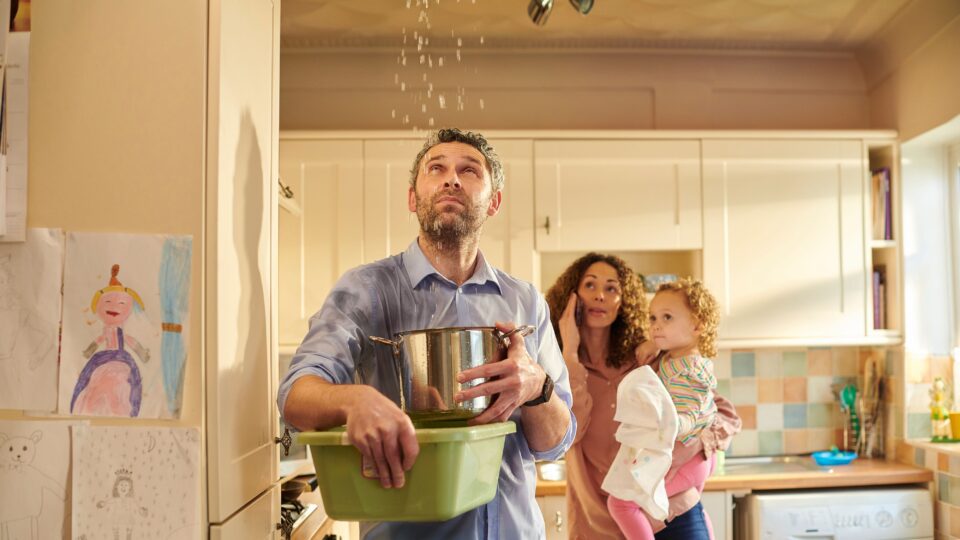
- Roof leaks from missing shingles or punctures
- Broken windows and doors allowing rain inside
- Flooding from overwhelmed drainage systems
- Plumbing failures due to shifting foundations or debris impact
Some issues may not be visible right away. Moisture can seep into walls, under floors, and into attics, leading to mold and rot. Mold can begin to grow within 24–48 hours in damp conditions, creating health risks for occupants. For a deeper look at the causes of water-related destruction, see this overview of common causes of water damage.
How to Identify and Assess Water Damage After Tornadoes
Early detection is key to minimizing long-term harm. Here’s how to spot signs of water intrusion:
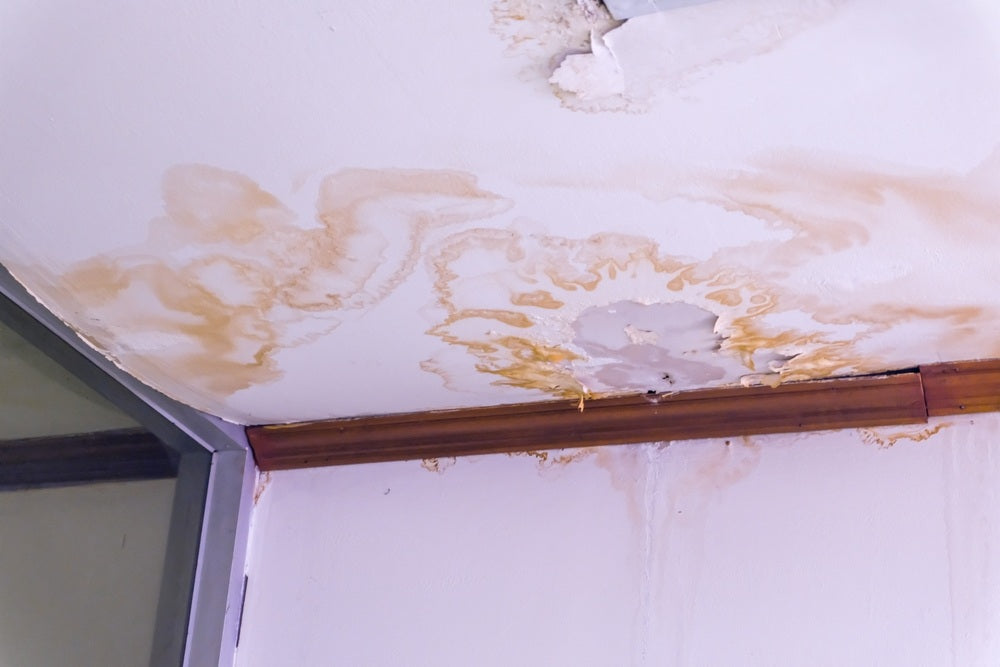
- Stains or discoloration on ceilings and walls
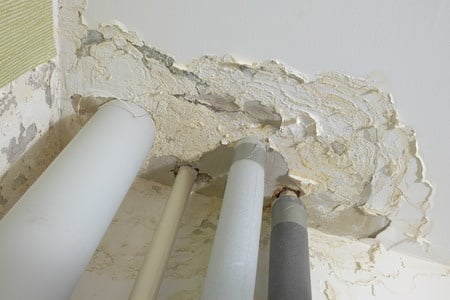
- Peeling paint or wallpaper
- Musty odors indicating mold growth
- Warped or buckling floors
- Visible mold patches
- Damp insulation or wet drywall
Use moisture meters if available to check hidden areas. Don’t overlook attics, crawl spaces, and behind cabinets. If you rent or lease property, it’s important to understand water damage tenant responsibilities to clarify insurance coverage and repair obligations.
Effective Cleanup and Restoration Strategies
Once the immediate hazards are addressed, focus on thorough cleanup and restoration. Here are the key steps:
- Remove Wet Materials: Discard soaked carpets, insulation, and drywall that cannot be dried quickly. These materials can harbor mold and bacteria.
- Clean and Disinfect: Use EPA-approved disinfectants on all surfaces that came into contact with floodwater. Pay special attention to kitchens, bathrooms, and basements.
- Dry Out the Structure: Continue using fans, dehumidifiers, and ventilation to dry out all affected areas. This may take several days or longer depending on humidity and airflow.
- Inspect for Mold: Monitor for new growth and address it promptly. Mold remediation may require professional help if the infestation is extensive.
- Repair and Restore: Once everything is dry and clean, begin repairs. Replace damaged drywall, flooring, and insulation as needed. Ensure all repairs meet local building codes.
For business owners, fast action is especially important to minimize downtime. If you operate a retail space, check out our guide to water damage in retail buildings for additional tips.
Prevention and Future Preparedness
While it’s impossible to prevent tornadoes, there are steps you can take to reduce the risk of water-related destruction in the future:
- Install impact-resistant roofing and windows
- Seal gaps around doors, windows, and foundations
- Maintain gutters and downspouts to direct water away from your property
- Elevate electrical systems and appliances in flood-prone areas
- Develop an emergency plan and keep supplies on hand
Regular inspections and prompt repairs after storms can help you catch vulnerabilities before the next severe weather event. For those managing warehouses or industrial spaces, our article on water damage in warehouses covers prevention and restoration strategies tailored to larger facilities.
Frequently Asked Questions
How soon should I start cleaning up water after a tornado?
Begin cleanup as soon as it is safe to enter the property. The first 24–48 hours are crucial for removing water, drying out materials, and preventing mold growth. Delaying can lead to more extensive damage and higher repair costs.
What are the health risks associated with water damage after tornadoes?
Standing water and damp materials can promote mold growth, which may cause respiratory problems, allergic reactions, and other health issues. Floodwater can also contain bacteria, chemicals, and debris, making it important to wear protective gear during cleanup.
Should I hire a professional restoration company?
If the damage is extensive, involves contaminated water, or if you notice significant mold growth, it’s wise to consult a professional. Restoration companies have specialized equipment and expertise to safely dry, clean, and restore your property.