
Water Damage Maintenance Tips for Homeowners (Easy Guide)
· Ethan Williams

Water issues can strike any property, often when least expected. Whether it’s a slow leak, a burst pipe, or heavy rainfall, the consequences can be costly and disruptive. For those who own a home, understanding how to prevent and address water-related problems is essential. This guide provides water damage maintenance tips for homeowners that are practical, easy to follow, and proven to help safeguard your investment.
By staying proactive and learning what to look for, you can minimize risks and avoid the long-term effects that water can have on your home’s structure and value. If you want a deeper dive into preparing for emergencies, check out our water damage preparedness guide for comprehensive planning advice.
Why Preventive Maintenance Matters for Water Issues
Ignoring small leaks or moisture problems can lead to major repairs down the line. Water can weaken foundations, promote mold growth, and damage finishes and furnishings. Regular maintenance helps spot trouble early, saving money and hassle. Homeowners who prioritize water damage maintenance tips are more likely to avoid insurance claims and costly restoration projects.
Key Signs of Water Damage Every Homeowner Should Know
Early detection is crucial. Here are some common indicators that moisture may be affecting your property:
- Stains or discoloration on ceilings, walls, or floors
- Peeling paint or wallpaper
- Musty odors that persist, especially in basements or crawl spaces
- Warped wood or buckling floors
- Mold growth in corners, behind furniture, or inside cabinets
- Visible leaks or puddles near appliances, sinks, or toilets
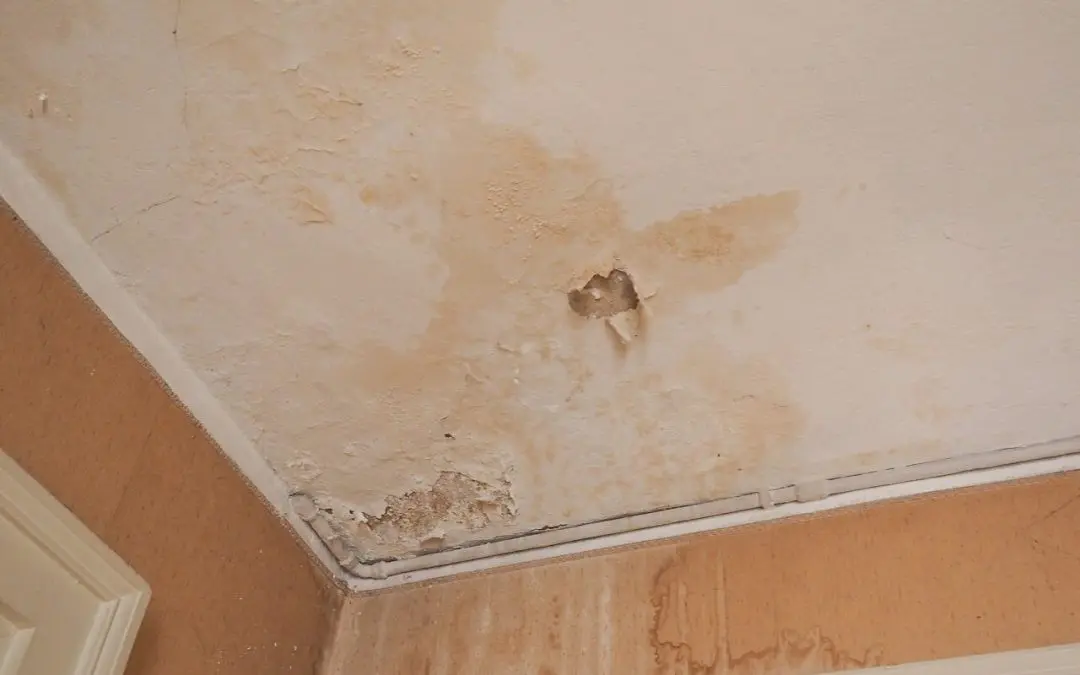
If you notice any of these warning signs, it’s important to act quickly. For more on how to distinguish between new and old water issues, see this guide to identifying the age of water damage.
Essential Water Damage Maintenance Tips for Homeowners
Staying ahead of water problems requires a mix of routine checks and seasonal tasks. Here are some of the most effective ways to protect your home:
1. Inspect Plumbing Regularly
Check under sinks, around toilets, and behind appliances for leaks or dampness. Tighten loose fittings and replace worn hoses. Pay special attention to washing machines, dishwashers, and water heaters, as these are common sources of hidden leaks.
2. Maintain Gutters and Downspouts
Clogged gutters can cause water to overflow and seep into your foundation or roof. Clean gutters at least twice a year and ensure downspouts direct water away from the house. Consider installing gutter guards to reduce debris buildup.
3. Monitor Your Roof and Attic
Look for missing, cracked, or curling shingles. Inspect flashing around chimneys and vents. In the attic, check for damp insulation or dark spots on the wood. Addressing roof issues quickly can prevent major interior damage.
4. Seal Windows and Doors
Gaps around windows and doors allow moisture to enter. Use caulk or weatherstripping to seal any openings. This not only prevents water intrusion but also improves energy efficiency.
5. Check the Foundation and Basement
Walk around your home’s exterior and look for cracks or signs of settling. Inside, inspect basement walls and floors for moisture, efflorescence (white powdery residue), or mold. Use a dehumidifier in damp areas and repair cracks promptly.

Seasonal Water Damage Prevention Strategies
Different times of year bring unique risks. Adapting your maintenance routine to the season can help you stay ahead of potential issues. For a breakdown of risks by season, see our seasonal water damage risks resource.
- Spring: Check for winter roof damage and clear gutters after storms.
- Summer: Inspect irrigation systems and ensure proper grading around your home.
- Fall: Clean gutters and downspouts, and check weatherstripping before heavy rains.
- Winter: Insulate pipes to prevent freezing and monitor for ice dams on the roof.
Immediate Steps to Take After Discovering Water Damage
If you find a leak or flooding, quick action can limit the extent of the damage. Here’s what to do:
- Stop the source if possible (shut off water supply, patch leaks).
- Remove excess water with towels, mops, or a wet/dry vacuum.
- Dry affected areas using fans and dehumidifiers.
- Document the damage with photos for insurance claims.
- Contact professionals if the damage is extensive or involves electrical systems.
For a step-by-step checklist, our water damage restoration checklist offers a detailed plan for recovery.
Long-Term Effects and Why Prompt Action Matters
Delaying repairs can lead to serious consequences. Water can erode structural components, cause wood rot, and create an environment for mold and mildew. Over time, these issues can affect your home’s safety and resale value. To learn more about potential impacts, visit our article on the long term effects of water damage.
Frequently Asked Questions
What are the most common sources of water damage in homes?
The most frequent culprits are leaking pipes, faulty appliances, roof leaks, clogged gutters, and poor drainage around the foundation. Regular inspections and maintenance can help catch these issues before they escalate.
How can I tell if water damage is new or old?
New water damage usually feels damp and may have a brighter stain, while older damage often appears dry, cracked, or discolored. Mold growth is also a sign that moisture has been present for some time. For more details, refer to this resource on identifying water damage age.
Do I need professional help for minor water issues?
Small leaks or spills can often be handled by homeowners if caught early. However, if you notice widespread damage, mold, or if water has reached electrical systems, it’s best to consult a professional to ensure safety and thorough remediation.
Conclusion
Staying vigilant with water damage maintenance tips for homeowners is the best way to protect your property and avoid expensive repairs. Regular checks, seasonal adjustments, and prompt action when problems arise will help keep your home safe and dry. For more in-depth strategies and planning, don’t forget to explore our other resources linked throughout this article.