
Water Damage Case Studies and Lessons Learned for Homes
· Ethan Williams

Water damage is a challenge that many homeowners eventually face, whether from storms, plumbing failures, or unnoticed leaks. Understanding real-world examples and the insights gained from them can help you avoid costly mistakes and better protect your property. This article explores a range of water damage case studies and lessons learned, offering practical takeaways for prevention, response, and recovery.
By reviewing these scenarios, you’ll see how quick action, regular maintenance, and informed decisions can make all the difference. If you’re interested in proactive steps, check out our guide on water damage solutions for homeowners for more detailed strategies.
Common Causes Highlighted by Real-Life Incidents
Examining water damage case studies reveals that certain causes appear repeatedly. These include:
- Broken or aging pipes
- Clogged gutters and poor drainage
- Appliance malfunctions (washing machines, water heaters, dishwashers)
- Roof leaks and missing shingles
- Severe weather events like heavy rain or flooding
In many cases, homeowners were unaware of vulnerabilities until damage occurred. For example, one family discovered a slow leak behind their washing machine only after noticing warped flooring. The repair costs were significantly higher than if the issue had been caught early.
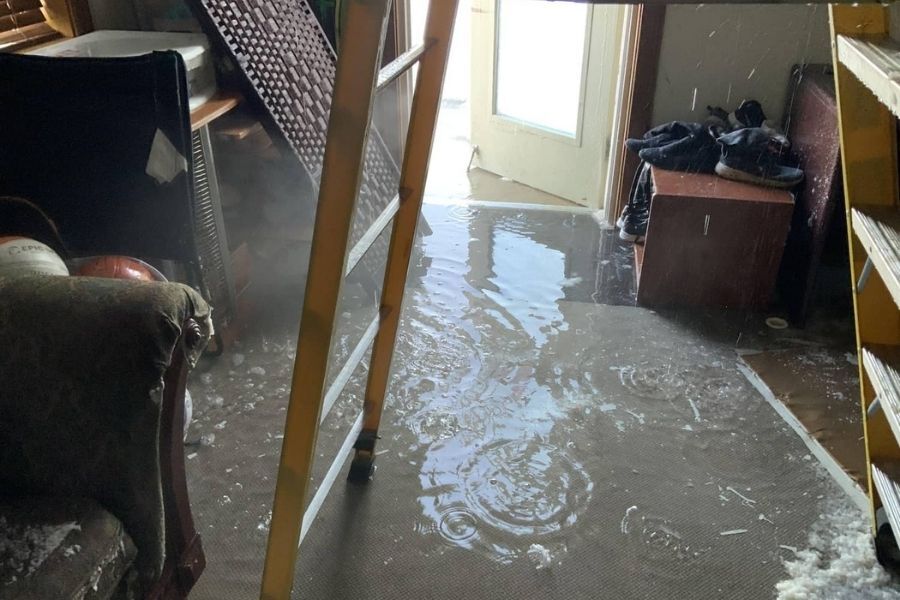
Case Study: Hidden Leaks and Delayed Detection
One of the most instructive water damage case studies and lessons learned involves a homeowner who noticed a musty smell in the basement. After several weeks, discoloration appeared on the walls. Investigation revealed a leaking pipe inside the wall, which had been dripping for months.
Key takeaways:
- Unexplained odors or stains can signal hidden water issues.
- Delaying investigation often leads to mold growth and structural damage.
- Professional moisture detection tools are invaluable for identifying concealed leaks.
For more on identifying subtle warning signs, see this guide to signs of water damage in walls.
Lessons Learned from Severe Weather Events
Natural disasters can overwhelm even well-maintained homes. In one documented case, a flash flood caused water to enter through a basement window. The homeowner had previously ignored minor cracks in the foundation, which allowed water to seep in rapidly.
Insights from this scenario:
- Small foundation cracks can become major entry points during heavy rain.
- Installing sump pumps and sealing windows can reduce flood risk.
- Having an emergency plan speeds up response and minimizes loss.
To address seasonal threats, review our article on seasonal water damage risks for practical advice tailored to different times of year.

What Homeowners Can Do: Prevention and Maintenance
Many water damage case studies highlight the importance of regular maintenance. Simple actions can prevent most incidents:
- Inspect plumbing and appliances annually for leaks or corrosion.
- Clean gutters and downspouts to ensure proper drainage.
- Check the roof for missing or damaged shingles after storms.
- Seal foundation cracks and basement windows.
- Install water alarms in high-risk areas like basements and laundry rooms.
Routine upkeep is often the difference between a minor inconvenience and a major disaster. For actionable checklists, see our water damage maintenance tips for homeowners.
Responding Quickly: Critical Steps After Water Intrusion
When water damage occurs, time is of the essence. The following steps, drawn from real-life experiences, can help minimize the impact:
- Shut off the water source if possible.
- Remove excess water with pumps, mops, or wet vacuums.
- Move valuables and furniture to a dry area.
- Use fans and dehumidifiers to accelerate drying.
- Contact professionals for assessment and remediation if the damage is extensive.
Quick action not only reduces repair costs but also limits the risk of mold and long-term structural issues. For more comprehensive planning, explore our resource on water damage recovery planning.
Long-Term Strategies for Reducing Risk
Beyond immediate response and routine maintenance, homeowners can adopt long-term strategies to safeguard their property. These include:
- Upgrading plumbing with modern, durable materials.
- Installing backflow valves to prevent sewer backups.
- Landscaping to direct water away from the foundation.
- Regularly reviewing insurance coverage for water-related incidents.
Taking a proactive approach is essential. For a year-round perspective, our article on year round water damage prevention strategies provides a month-by-month guide.
Lessons Learned: Key Takeaways from Water Damage Case Studies
Reviewing water damage case studies and lessons learned makes it clear that:
- Early detection and swift action are critical to minimizing damage.
- Regular inspections and maintenance prevent many common issues.
- Preparedness, including emergency plans and proper insurance, offers peace of mind.
- Learning from others’ experiences can help you avoid similar pitfalls.
By applying these insights, homeowners can reduce risk, save money, and protect their families from the disruption caused by water-related incidents.
Frequently Asked Questions
What are the most common warning signs of water damage in a home?
Common indicators include musty odors, discoloration or staining on walls and ceilings, warped flooring, peeling paint, and visible mold growth. Unexplained increases in water bills can also signal hidden leaks. Early detection is crucial for minimizing repair costs.
How quickly should I respond to water damage?
Immediate action is essential. The longer water sits, the greater the risk of structural damage and mold growth. Begin drying and removing water as soon as possible, and contact professionals for large-scale incidents.
What steps can I take to prevent water damage?
Regularly inspect plumbing, appliances, and your roof. Clean gutters, seal cracks, and install water alarms in vulnerable areas. Consider upgrading old pipes and reviewing your insurance policy to ensure adequate coverage for water-related events.