
How to Prevent and Repair Water Damage in Garages
· Ethan Williams
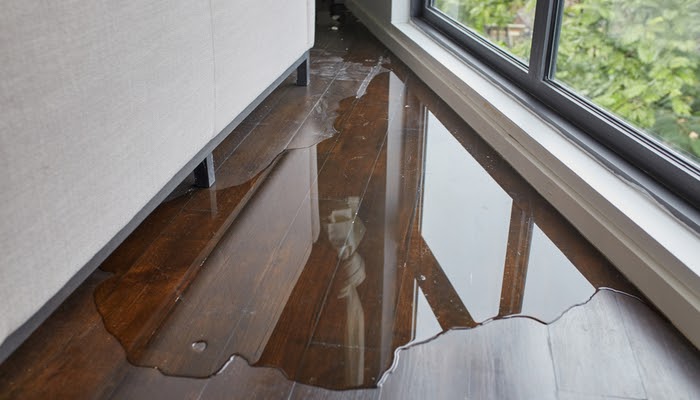
Garages are often overlooked when it comes to home maintenance, yet they are especially vulnerable to water damage in garages. Whether caused by heavy rain, melting snow, or plumbing leaks, excess moisture can lead to structural issues, mold growth, and damage to stored belongings. Understanding how to safeguard this space and address problems promptly is essential for homeowners who want to protect their property and avoid costly repairs.
Recognizing the signs of moisture issues early can make a significant difference. If you’re interested in learning how to handle similar problems in other areas of your home, you may also want to read about water damage in kitchens for practical tips and prevention strategies.
Common Causes of Water Intrusion in Garage Spaces
Several factors can contribute to water damage in garages. Recognizing these sources is the first step toward prevention:
- Poor Drainage: Inadequate grading around the foundation can direct water toward the garage instead of away from it.
- Faulty Garage Doors: Worn or damaged seals at the base of the door allow rainwater and melting snow to seep inside.
- Roof Leaks: Damaged shingles or flashing above the garage can let water drip inside, especially during storms.
- Plumbing Issues: Water heaters, washing machines, or exposed pipes in the garage may leak or burst, causing sudden flooding.
- Cracks in Floors or Walls: Over time, concrete can develop cracks that allow groundwater to enter during wet conditions.
How to Spot Early Signs of Moisture Problems
Detecting issues early is crucial for minimizing the impact of water damage in garages. Here are some warning signs to watch for:
- Musty odors or visible mold growth on walls, floors, or stored items
- Efflorescence (white, chalky residue) on concrete surfaces
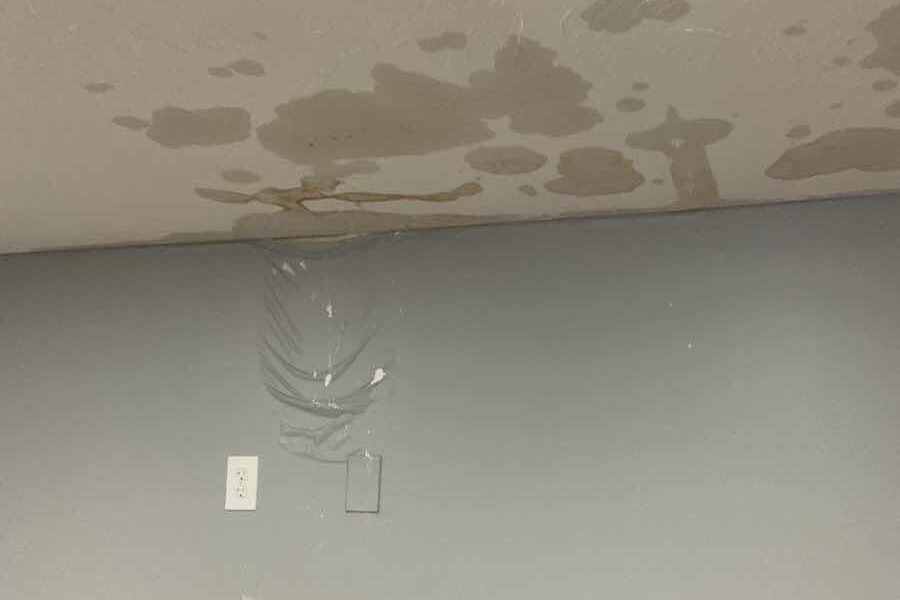
- Peeling paint or bubbling on walls
- Warped or stained wood, cardboard, or drywall
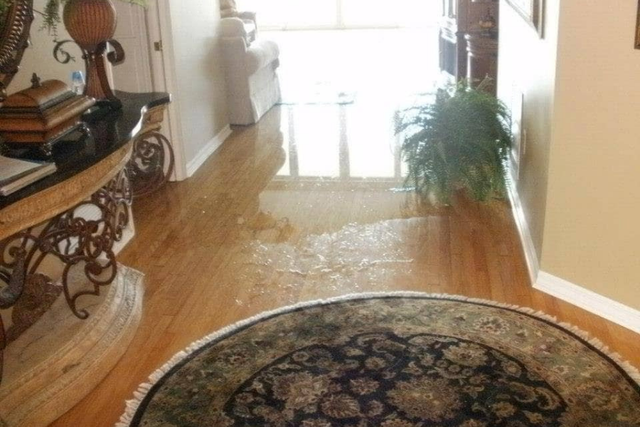
- Puddles or damp spots after rain or snowmelt
For more information on detecting hidden moisture issues before they escalate, check out this comprehensive guide to identifying hidden water damage.
Practical Steps to Prevent Water Issues in Your Garage
Taking proactive measures can help you avoid the hassle and expense of repairs. Here are effective prevention strategies:
Maintain Proper Drainage
Ensure the ground around your garage slopes away from the foundation. Clean gutters and downspouts regularly to direct water at least six feet from the structure. Installing a French drain or trench drain can further protect against pooling water.
Upgrade Garage Door Seals
Inspect the weatherstripping and bottom seal of your garage door for cracks or wear. Replace damaged seals promptly to block out rain and snow. Consider installing a threshold seal for extra protection against surface water.
Seal Cracks and Gaps
Check floors and walls for cracks or gaps. Use concrete patching compounds or waterproof sealants to fill any openings. Pay special attention to areas where pipes or cables enter the garage, as these are common entry points for moisture.
Protect Plumbing and Appliances
Inspect water heaters, washing machines, and utility sinks for leaks. Ensure all connections are secure and replace old hoses with braided stainless steel versions. Install a leak detection alarm for added peace of mind.
Improve Ventilation
Good airflow helps reduce humidity and prevents condensation. Use exhaust fans or dehumidifiers, especially if your garage is attached to your home or used for laundry. Open windows or vents when weather permits.
How to Address and Repair Water Damage in Garage Areas
If you discover signs of moisture problems, prompt action is essential. Here’s how to tackle repairs and restore your space:
- Remove Standing Water: Use a wet/dry vacuum or mop to clear any puddles. For severe flooding, consider professional water extraction services.
- Dry Out the Area: Open doors and windows, use fans, and run a dehumidifier to speed up drying. Remove wet items and allow them to dry separately.
- Clean and Disinfect: Scrub affected surfaces with a mixture of water and mild detergent. For mold, use a solution of water and white vinegar or a commercial mold remover.
- Repair Structural Damage: Patch cracks in concrete with epoxy or hydraulic cement. Replace damaged drywall, insulation, or wood as needed.
- Restore Finishes: Repaint or reseal surfaces once completely dry. Use mold-resistant paint or coatings for added protection.
For more detailed instructions on handling specific types of moisture issues, you can also explore resources on water damage in bathrooms or water damage in ceilings.
Long-Term Solutions for Preventing Recurring Moisture Problems
Once repairs are complete, it’s important to address underlying causes to prevent future issues. Here are some long-term strategies:
- Install a Sump Pump: If your garage is prone to flooding, a sump pump can help remove excess water quickly.
- Apply Waterproof Coatings: Use waterproofing paint or sealant on floors and lower walls to create a moisture barrier.
- Upgrade Flooring: Consider epoxy coatings or interlocking tiles that resist water and are easy to clean.
- Regular Inspections: Check your garage at least twice a year for signs of leaks, cracks, or mold. Early detection is key to avoiding major repairs.
- Store Items Off the Floor: Use shelving or pallets to keep belongings elevated and protected from minor leaks or spills.
For garages with chronic issues, consulting a waterproofing specialist may be worthwhile. They can assess your property and recommend custom solutions tailored to your needs.
Frequently Asked Questions
What are the most common signs of water damage in garages?
Typical indicators include musty smells, visible mold, water stains on walls or floors, peeling paint, and warped or rusted items. Puddles or damp spots after rain are also a clear warning sign.
How can I prevent water from entering my garage during heavy rain?
Ensure proper grading around your home, maintain gutters and downspouts, and check that your garage door seals are in good condition. Installing a threshold seal or trench drain can provide extra protection against surface water.
Is it necessary to replace drywall or insulation after a leak?
If drywall or insulation becomes saturated, it’s best to remove and replace it to prevent mold growth and restore structural integrity. Allow the area to dry thoroughly before installing new materials.
Can I use regular paint to protect my garage walls from moisture?
While regular paint offers some protection, using a waterproof or mold-resistant paint is more effective for areas prone to dampness. These specialized coatings help prevent moisture penetration and mold growth.
Where can I learn more about handling water damage in other parts of my home?
For additional guidance, you can read about water damage under floors or discover tips for fixing water damage behind walls.
By taking a proactive approach and addressing problems as soon as they arise, homeowners can minimize the risk of extensive water damage in garages and keep their property safe and dry for years to come.