
Water Damage FAQs for Property Owners: All Your Questions Answered
· Ethan Williams
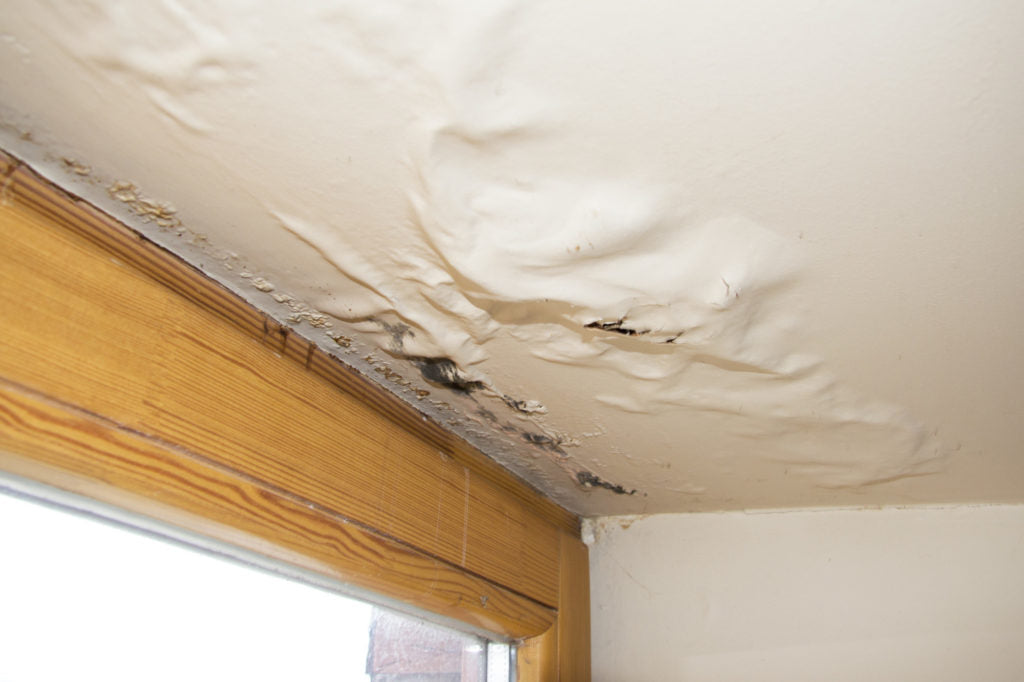
Water damage can strike any property, whether it’s a home, rental, or commercial space. For property owners, understanding the risks, prevention strategies, and restoration processes is essential to protecting your investment. This guide addresses the most common questions and concerns, offering practical advice and expert insights to help you navigate the challenges of water-related incidents.
Whether you’re dealing with a sudden leak, flooding from storms, or hidden moisture issues, being informed is the first step toward minimizing damage and avoiding costly repairs. We’ll cover everything from identifying early warning signs to choosing the right restoration approach and working with your insurance provider. For those looking to take proactive steps, you’ll also find tips on maintenance and prevention throughout this article.
For a deeper dive into practical solutions, check out our water damage solutions for homeowners guide, which covers both immediate actions and long-term strategies.
Recognizing Water Damage: Early Signs and Common Causes
Spotting the early indicators of moisture issues can save you from extensive repairs and health hazards. Some of the most frequent causes include plumbing leaks, roof failures, appliance malfunctions, and natural disasters like heavy rain or flooding. Here are some key warning signs to watch for:
- Discoloration on walls or ceilings, often yellow or brown stains
- Musty or damp odors, especially in basements or crawl spaces
- Peeling paint or wallpaper
- Warped or buckling floors
- Mold growth in corners, behind furniture, or around windows

Understanding these symptoms helps property owners act quickly, reducing the risk of structural damage and mold. For more tips on identifying issues, see this comprehensive guide to spotting water damage in buildings.
Immediate Steps to Take When Water Damage Occurs
When you discover a leak or flooding, acting fast is crucial. Here’s what property owners should do right away:
- Stop the source if possible—turn off the main water supply or fix the leak.
- Disconnect electrical appliances in affected areas to prevent electrical hazards.
- Remove valuable items and furniture from wet areas to minimize further loss.
- Use towels or a wet/dry vacuum to remove standing water if it’s safe to do so.
- Contact a professional restoration company for a thorough assessment and drying process.
Quick action can prevent secondary problems like mold growth and structural weakening. For more detailed advice, our water damage restoration success tips article provides step-by-step guidance on managing emergencies.
Understanding the Restoration Process for Property Owners
Restoring a property after water intrusion involves several stages. Here’s what you can expect:
- Inspection and assessment: Professionals evaluate the extent of the damage using moisture meters and thermal imaging.
- Water removal: High-powered pumps and vacuums extract standing water quickly.
- Drying and dehumidification: Industrial fans and dehumidifiers remove residual moisture from walls, floors, and air.
- Cleaning and sanitizing: Surfaces are cleaned to eliminate contaminants and prevent mold.
- Restoration: Repairs may include replacing drywall, flooring, or insulation, and repainting affected areas.
Choosing a reputable restoration company ensures the job is done safely and thoroughly. For real-world examples, explore our water damage case studies and lessons learned to see how different scenarios are handled.

Insurance Coverage and Documentation Tips
Many property owners wonder if their insurance policy covers water-related incidents. Coverage varies, but here are some general guidelines:
- Sudden and accidental events, like burst pipes, are typically covered.
- Gradual damage from neglected maintenance is often excluded.
- Flooding from natural disasters usually requires a separate flood policy.
To ensure a smooth claims process:
- Document all damage with photos and videos as soon as it’s safe.
- Keep receipts for repairs and restoration services.
- Contact your insurance provider promptly and follow their instructions for filing a claim.
Understanding your policy and keeping thorough records can make a significant difference in reimbursement and recovery time.
Prevention and Maintenance Strategies for Property Owners
Preventing water issues is always preferable to dealing with the aftermath. Here are some proactive steps:
- Inspect plumbing and appliances regularly for leaks or corrosion.
- Maintain gutters and downspouts to direct water away from the foundation.
- Seal windows, doors, and basement walls to prevent seepage.
- Install water leak detectors and automatic shut-off valves for added protection.
- Schedule routine maintenance, especially before rainy seasons or vacations.
For those with second homes or cabins, our water damage prevention for vacation homes resource offers tailored advice for remote properties. Regular upkeep is key to avoiding unexpected disasters and preserving property value.
Frequently Asked Questions About Water Damage
How quickly should I respond to water damage in my property?
It’s essential to act within the first 24-48 hours. The longer water sits, the greater the risk of mold growth and structural problems. Immediate action can significantly reduce repair costs and health risks.
Is it safe to stay in my home after water damage?
If the affected area is small and there are no electrical hazards, it may be safe to remain. However, extensive flooding, sewage contamination, or mold growth can pose serious health risks. When in doubt, consult a professional before re-entering.
What are the most common mistakes property owners make after water damage?
Delaying cleanup, failing to document damage, and attempting DIY repairs without proper equipment are frequent errors. It’s best to seek expert help and follow recommended procedures to ensure thorough restoration.
Long-Term Solutions and Resources
Addressing water issues promptly and thoroughly is only part of the equation. Ongoing maintenance and education are crucial for long-term protection. For easy-to-follow routines, see our water damage maintenance tips for homeowners guide.
Staying informed about the latest prevention technologies and restoration methods empowers property owners to safeguard their investments. By understanding the basics, acting quickly, and leveraging expert resources, you can minimize the impact of water-related incidents and ensure a safer, healthier property for years to come.