
Top Water Damage Restoration Success Tips for Property Owners
· Ethan Williams
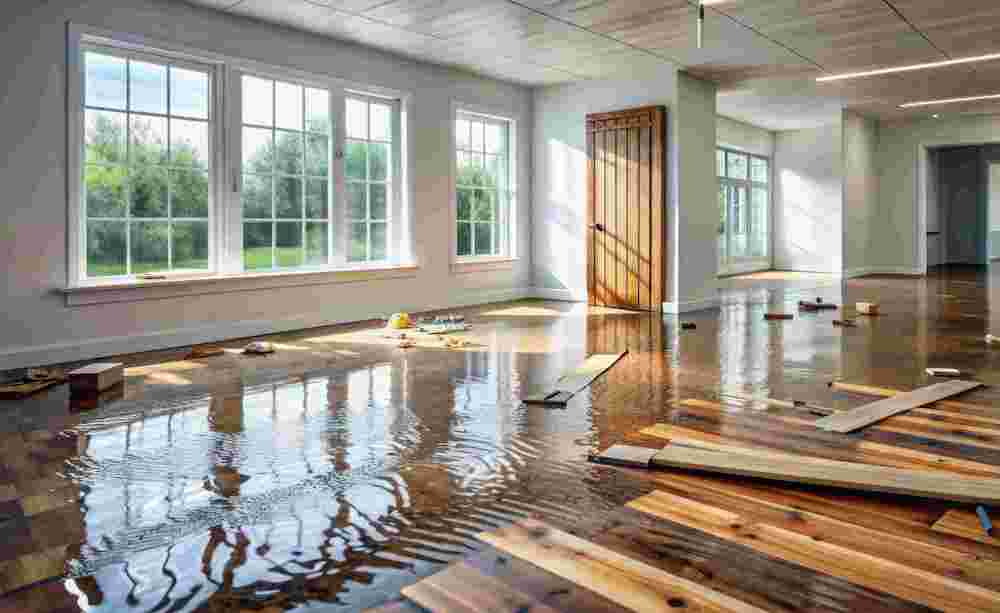
When facing the aftermath of a flood, burst pipe, or appliance leak, property owners need reliable strategies to minimize damage and restore their spaces efficiently. Knowing the right water damage restoration success tips can make a significant difference in both the speed and quality of recovery. Acting quickly, understanding the restoration process, and leveraging expert advice are crucial for protecting your property and preventing long-term issues.
In this guide, you'll find practical advice for handling water emergencies, from initial response to long-term prevention. For those seeking additional insights, our resource on water damage solutions for homeowners provides further actionable steps and maintenance guidance.
Immediate Actions to Take After Water Intrusion
Responding quickly is the most important factor in reducing the impact of water damage. The first few hours are critical for preventing mold growth and structural issues. Here are the essential steps to take as soon as you discover water in your property:
- Ensure safety first: Turn off electricity in affected areas and avoid standing water if electrical hazards are present.
- Stop the source: Identify and halt the flow of water, whether it's shutting off the main valve or fixing a leaking appliance.
- Document the damage: Take clear photos and videos for insurance claims. This documentation is vital for a smooth claims process.
- Remove excess water: Use mops, towels, or a wet/dry vacuum to extract as much water as possible.
- Ventilate the area: Open windows and doors to promote air circulation and begin the drying process.
Acting swiftly not only minimizes property loss but also reduces the risk of health hazards associated with mold and bacteria.
Choosing the Right Restoration Professionals
While some minor water incidents can be managed independently, significant flooding or contamination requires professional intervention. Selecting a qualified restoration company is a cornerstone of water damage restoration success. Consider these factors when hiring experts:
- Certifications and experience: Look for technicians certified by reputable organizations such as the IICRC (Institute of Inspection, Cleaning and Restoration Certification).
- Rapid response times: Companies that offer 24/7 emergency services can help limit further damage.
- Comprehensive services: Choose providers who handle water extraction, drying, mold remediation, and repairs.
- Transparent estimates: Obtain detailed, written estimates before work begins to avoid unexpected costs.
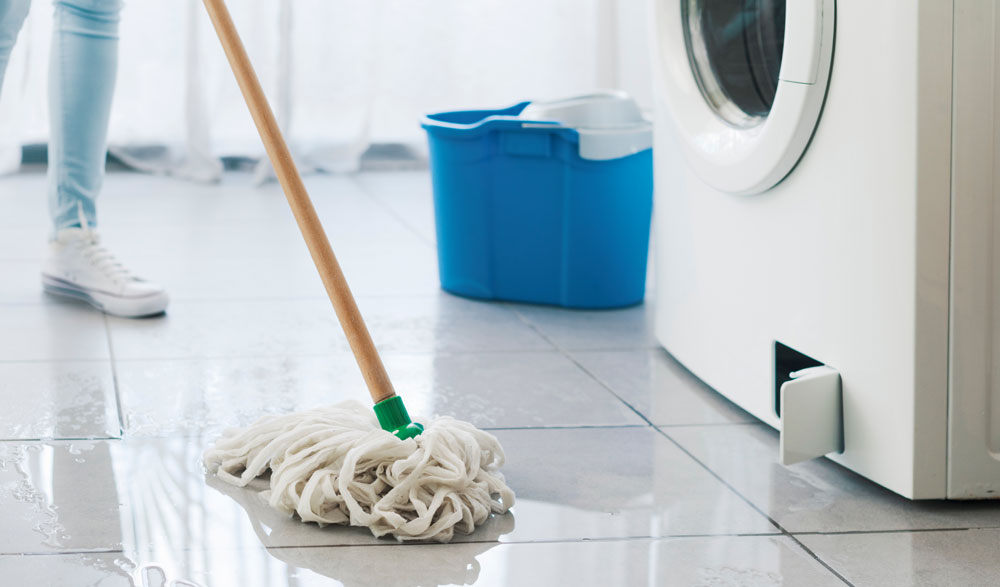
Professional restoration teams use advanced equipment like industrial dehumidifiers and moisture meters, ensuring thorough drying and reducing the likelihood of hidden damage.
Key Steps for Effective Water Damage Restoration
Successful recovery from water events involves a structured process. Following these proven steps will help restore your property efficiently and safely:
- Assessment and inspection: Professionals evaluate the extent of damage, identify affected materials, and develop a restoration plan.
- Water extraction: High-powered pumps and vacuums remove standing water quickly to prevent further absorption.
- Drying and dehumidification: Specialized equipment dries floors, walls, and furniture, targeting moisture that can lead to mold.
- Cleaning and sanitizing: Surfaces are cleaned with antimicrobial treatments to eliminate bacteria and odors.
- Restoration and repairs: Damaged drywall, flooring, or insulation is replaced, and the property is restored to its pre-loss condition.
Each phase is essential for a complete recovery. Skipping steps or rushing the process can result in lingering issues and higher costs down the line.
Preventing Mold and Secondary Damage
One of the most significant risks after water exposure is mold growth. Mold can develop within 24-48 hours in damp environments, causing health problems and further property damage. To prevent secondary issues:
- Monitor humidity levels: Keep indoor humidity below 60% using dehumidifiers and air conditioners.
- Inspect hidden areas: Check behind walls, under flooring, and inside cabinets for moisture that may not be visible.
- Dispose of unsalvageable materials: Remove and discard items that cannot be thoroughly dried, such as saturated insulation or carpeting.
- Schedule follow-up inspections: Have professionals re-inspect the property to confirm all moisture has been eliminated.
For more detailed maintenance strategies, see our guide on water damage maintenance tips for homeowners.
Insurance Claims and Documentation Best Practices
Filing an insurance claim can be overwhelming, especially during an emergency. To streamline the process and maximize your reimbursement:
- Contact your insurer promptly: Notify your insurance company as soon as possible after the incident.
- Provide thorough documentation: Submit photos, videos, and a detailed inventory of damaged items.
- Keep receipts: Save all receipts for repairs, cleaning, and temporary accommodations.
- Work with adjusters: Cooperate with insurance adjusters during inspections and provide requested information promptly.
Understanding your policy coverage and exclusions is crucial. If you have questions about what is typically covered, consult your insurance agent or refer to your policy documents.
Long-Term Prevention Strategies for Property Owners
While emergencies can't always be predicted, proactive measures can reduce the risk of future water incidents. Consider these long-term prevention tips:
- Regular maintenance: Inspect plumbing, appliances, and roofing for leaks or wear.
- Install water detection devices: Sensors can alert you to leaks before they cause significant damage.
- Upgrade drainage systems: Ensure gutters, downspouts, and sump pumps are functioning properly.
- Seal vulnerable areas: Apply waterproof sealants to basements, windows, and foundation cracks.
For a comprehensive look at year-round protection, explore our article on year round water damage prevention strategies.
Recognizing Early Signs of Water Damage
Early detection is key to minimizing restoration costs and preventing extensive damage. Common warning signs include:
- Musty odors or persistent dampness
- Discoloration or stains on walls and ceilings
- Buckling or warping of floors
- Peeling paint or wallpaper
- Unexplained increases in water bills
For a detailed overview of what to watch for, visit this guide to common water damage signs.
Frequently Asked Questions
How quickly should I respond to water damage?
Immediate action is essential. Begin cleanup and drying within the first 24 hours to limit structural damage and prevent mold growth. The sooner you address the issue, the better your chances of a full recovery.
Can I handle water restoration myself, or do I need professionals?
Small spills or minor leaks can sometimes be managed by property owners. However, significant flooding, contaminated water, or extensive damage should always be handled by certified restoration professionals to ensure safety and thoroughness.
What are the most common mistakes during water damage recovery?
Delaying response, underestimating hidden moisture, and neglecting to document damage for insurance are frequent errors. Skipping professional inspections or failing to dry all affected areas can also lead to mold and recurring problems.
How can I prevent water damage in the future?
Regular inspections, maintaining plumbing and appliances, installing leak detectors, and ensuring proper drainage are effective ways to reduce your risk. Proactive maintenance is the best defense against unexpected water issues.